

.png)


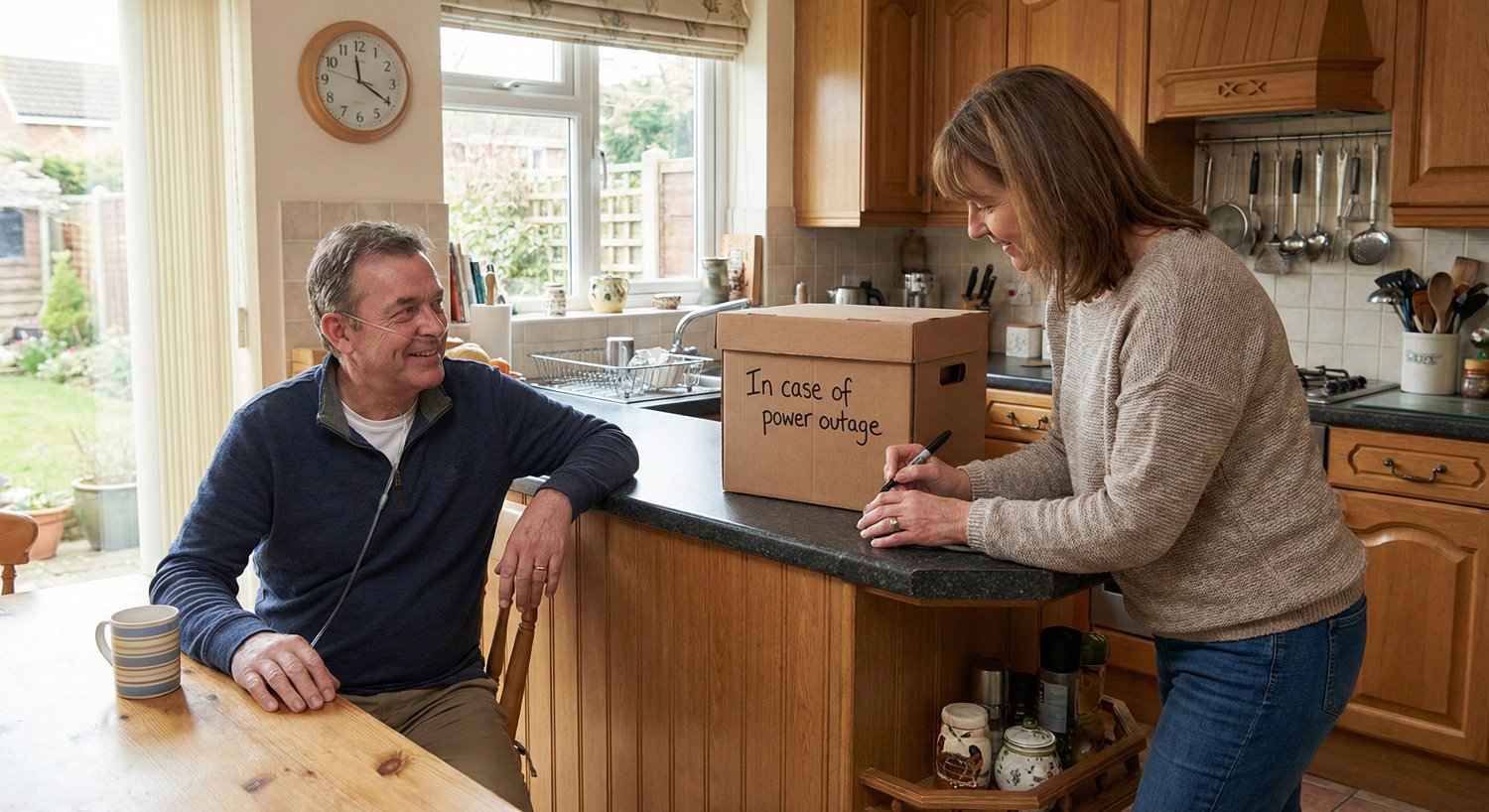
Power outages are inconvenient for most people, but for individuals who rely on supplemental oxygen, they can quickly become stressful or even dangerous without proper planning. Whether caused by severe weather, grid issues, or unexpected maintenance, losing electricity can disrupt oxygen therapy if you’re not prepared.
At LPT Medical, we believe peace of mind starts with preparation. With modern oxygen solutions such as a Portable Oxygen Concentrator, a Home Stationary Unit, and reliable portable devices like the ARYA Mini and ARYA Airtivo Max, many oxygen users already have strong tools in place. Pairing those tools with a clear emergency action plan can make all the difference when the lights go out.
This guide walks you through, step by step, how to build a power-outage preparedness plan so you can stay safe, informed, and confident during an emergency.
Why Power Outage Planning Is Essential for Oxygen Users
Oxygen therapy often depends on electricity. While portable devices offer flexibility, many users still rely on power to charge batteries or operate a Home Stationary Unit.
Without a plan, power outages can lead to:
- Interrupted oxygen flow
- Increased anxiety and panic
- Rushed or unsafe decision-making
- Delays in emergency response
Planning ahead transforms a potential crisis into a manageable situation.
Step 1: Know Your Oxygen Equipment Inside and Out
Understanding your equipment is the foundation of any emergency plan.
Identify Your Primary and Backup Oxygen Sources
Ask yourself:
- Do I primarily use a Home Stationary Unit?
- Do I have a Portable Oxygen Concentrator as backup?
- How long do my portable batteries last at my prescribed setting?
Portable options like the ARYA Mini and ARYA Airtivo Max are especially valuable during outages because they operate on rechargeable batteries and can keep you mobile and supported when power is unavailable.
Track Battery Life Realistically
Battery duration varies based on flow setting and usage. Make a written note of:
- Average battery life per device
- Number of spare batteries available
- Time required to fully recharge each battery
Keep this information in your emergency kit.
Step 2: Notify Your Local Power Company in Advance
One of the most important — and often overlooked — steps is registering your medical equipment with your local power utility.
Why This Matters
Many power companies maintain a medical baseline or priority restoration list for customers who rely on life-sustaining equipment. While registration does not guarantee uninterrupted service, it can:
- Alert the utility to your medical needs
- Prioritize restoration when possible
- Ensure you receive outage notifications or updates
How to Register
- Contact your electric provider directly
- Ask about medical equipment or life-support registries
- Complete any required documentation, often signed by your healthcare provider
This step should be reviewed annually to ensure your information stays current.
Step 3: Build a Battery and Power Backup Strategy
Power outages vary in length, so flexibility is key.
Portable Oxygen Concentrators as Your First Line of Defense
A Portable Oxygen Concentrator is often the most practical solution during short- to medium-length outages. Lightweight and battery-powered, these devices let you continue oxygen therapy without being confined to a single location.
- ARYA Mini: Ideal for short outages or emergency travel due to its compact size and portability.
- ARYA Airtivo Max: Offers extended battery life, making it well-suited for longer outages or overnight use.
Keep batteries fully charged at all times, especially during storm seasons or extreme weather alerts.
Additional Charging Options
Consider:
- Car chargers
- Portable power banks compatible with your device
- Access to a trusted neighbor or family member with power
Never rely on a single power source.
.jpeg?width=1200&height=359&name=WhatsApp%20Image%202025-12-05%20at%2000.55.28%20(1).jpeg)
Step 4: Create a Written Emergency Action Plan
During emergencies, stress can make it difficult to think clearly. A written plan removes guesswork.
What to Include in Your Plan
- Emergency contact numbers (family, doctor, oxygen provider)
- Equipment serial numbers and supplier information
- Battery runtime estimates
- Step-by-step instructions for switching devices
- Local emergency services contact information
Store copies in multiple locations: at home, in an emergency bag, and with a trusted caregiver.
Step 5: Prepare an Oxygen Emergency Kit
An emergency kit ensures you’re not scrambling when an outage occurs.
Essential Items to Include
- Fully charged Portable Oxygen Concentrator
- Extra batteries for your ARYA Mini or ARYA Airtivo Max
- Extension tubing (if applicable)
- Backup nasal cannulas
- Flashlight with extra batteries
- Printed emergency plan
- Bottled water and essential medications
Check this kit every few months and refresh items as needed.
Step 6: Plan for Extended Outages
Some outages last hours. Others' last days.
When to Relocate
If power is not expected to return quickly and your battery supply is limited, your plan should identify:
- Nearby friends or family with power
- Community shelters with electricity
- Hotels or facilities prepared for medical equipment
Call ahead whenever possible to confirm they can accommodate your oxygen needs.
Transportation Considerations
Ensure your Portable Oxygen Concentrator is ready for travel. Portable units are airline- and vehicle-friendly, making evacuation safer and less stressful.
Step 7: Communicate Your Plan With Others
You should never be the only one who knows your emergency strategy.
Share your plan with:
- Family members
- Caregivers
- Neighbors
- Home health aides
Show them how to operate your equipment and where emergency supplies are stored.
Step 8: Practice Your Plan Before You Need It
Preparation isn’t complete until it’s tested.
Do a “Dry Run”
- Practice switching from a Home Stationary Unit to a Portable Oxygen Concentrator
- Time how long do batteries actually last
- Review your written plan with a trusted person
Practicing builds confidence and reduces fear during real outages.
Emotional Preparedness: Staying Calm During Power Loss
Power outages can trigger anxiety, especially for oxygen users. Having a plan reduces uncertainty, which is often the biggest source of fear.
Remind yourself:
- You have backup options
- You know what steps to take
- You are prepared
That confidence can make a real difference in how your body responds to stress.
Final Thoughts: Preparedness Is Empowerment
Power outages are unpredictable, but your response doesn’t have to be.
By understanding your equipment, notifying your power company, maintaining reliable backup options, and using modern solutions like a Portable Oxygen Concentrator, Home Stationary Unit, ARYA Mini, or ARYA Airtivo Max, you take control of your safety and well-being.
At LPT Medical, we’re committed to helping oxygen users feel supported, informed, and empowered — no matter the circumstances. With a solid emergency action plan in place, you can face outages with confidence instead of fear.