

.png)


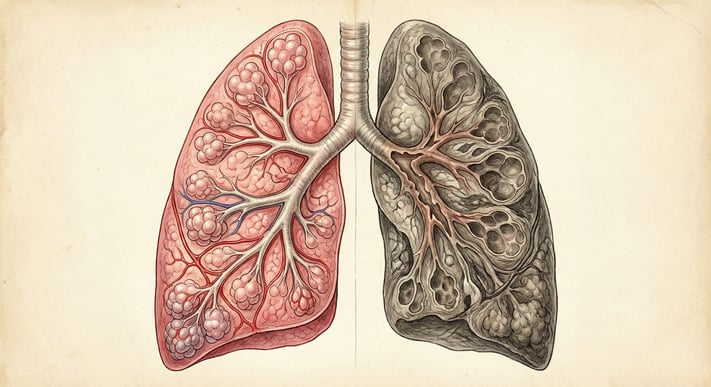
Understanding the Stages, Changes, and Long-Term Outlook
Chronic Obstructive Pulmonary Disease (COPD) is a long-lasting lung condition that affects millions of people around the world. Each person’s experience with COPD is different, but the disease constantly changes as time goes on. Understanding how COPD develops can help patients recognize early symptoms, take steps to slow progression, and maintain their quality of life as high as possible.
At LPT Medical, knowledge helps patients and caregivers feel more in control. When people understand how COPD progresses from early to later stages, they can better manage symptoms, avoid complications, and plan for long-term care with greater confidence.
What Does “Progressive” Mean in COPD?
When a disease is described as progressive, it means that it tends to worsen over time. In COPD, this progression involves:
- Increasing airflow limitation
- Gradual loss of lung function
- More frequent or severe symptoms
- Higher risk of flare-ups (exacerbations)
Importantly, progress does not occur at the same pace for everyone. Factors such as smoking history, environmental exposures, genetics, access to medical care, and lifestyle choices all influence how quickly COPD advances.
Early Changes: Before Symptoms Become Obvious
Silent Lung Damage
COPD often starts years or even decades before it is diagnosed. In the early stages, lung damage can happen without any clear symptoms. Long-term exposure to factors such as cigarette smoke, air pollution, or dust at work can cause inflammation of the airways and harm lung tissue.
During this period:
- Airways begin to narrow
- Mucus production increases
- Alveoli lose elasticity
- Oxygen exchange becomes less efficient
The lungs have a large reserve capacity, allowing the body to adapt to these changes over time. This often hides the early signs of the disease.
Mild Symptoms Appear
As lung function slowly declines, subtle symptoms may develop, including:
- Occasional shortness of breath during physical activity
- Mild, chronic cough
- Increased mucus or phlegm
- Fatigue during exertion
Many people think these symptoms are just part of getting older, being out of shape, or leftover effects from smoking. This can delay diagnosis and treatment.
Diagnosed COPD: The Early Stage
Once symptoms become persistent, many individuals seek medical attention. At this point, COPD is often classified as mild to moderate, based on lung function tests such as spirometry.
What’s Happening in the Lungs
In early-stage COPD:
- Airflow limitation becomes measurable
- Inflammation in the airways is ongoing
- Structural changes in the lungs continue
Even though some damage has occurred, early detection of COPD gives people a significant opportunity to act. Changes in lifestyle and treatment can significantly slow the progression of the disease.
Management at This Stage
Interventions commonly include:
- Smoking cessation (if applicable)
- Short-acting or long-acting bronchodilators
- Vaccinations to prevent respiratory infections
- Education on symptom recognition
For many people, these steps help manage symptoms and keep daily life on track for years.
Moderate COPD: Increasing Limitations
As COPD progresses, symptoms become more noticeable and begin to affect daily activities.
Worsening Symptoms
People with moderate COPD may experience:
- Shortness of breath during routine activities (walking, climbing stairs)
- Chronic cough with daily mucus production
- Wheezing or chest tightness
- Increased fatigue
- Reduced exercise tolerance
Physical activity often declines at this stage, not because movement is harmful, but because breathlessness makes activity feel uncomfortable or exhausting.
Exacerbations Become More Common
An important feature of COPD progression is the development of exacerbations, also known as flare-ups. These are episodes of sudden symptom worsening, often triggered by:
- Respiratory infections
- Air pollution
- Seasonal changes
- Incomplete medication adherence
Each exacerbation can cause:
- Temporary or permanent loss of lung function
- Increased inflammation
- Greater risk of hospitalization
Preventing exacerbations becomes a central goal of care.
Severe COPD: Advanced Disease
In advanced stages, COPD significantly impacts quality of life and overall health.
Major Lung Function Loss
At this point:
- Airflow is severely limited
- Oxygen levels in the blood may drop
- Carbon dioxide may accumulate
- Breathing requires more effort, even at rest
The lungs must work harder to deliver oxygen, placing strain on the heart and other organs.
Daily Life Challenges
Individuals with severe COPD may struggle with:
- Shortness of breath during basic activities like dressing or bathing
- Frequent respiratory infections
- Difficulty sleeping
- Anxiety or depression related to breathing difficulties
- Weight loss or muscle weakness
Some patients may require supplemental oxygen during activity, sleep, or continuously throughout the day.
.jpeg?width=1200&height=359&name=WhatsApp%20Image%202025-12-05%20at%2000.55.28%20(1).jpeg)
Very Severe COPD: Complex Care Needs
In the most advanced stage, COPD affects nearly every aspect of life.
Chronic Respiratory Failure
Severely damaged lungs may no longer provide adequate oxygen or remove carbon dioxide effectively. This can lead to:
- Chronic fatigue
- Confusion or headaches
- Swelling in the legs or ankles
- Increased risk of heart complications
Hospitalizations may increase in frequency, and comprehensive care is often required.
Focus on Comfort and Support
At this stage, treatment goals often shift toward:
- Maximizing comfort
- Reducing symptom burden
- Supporting emotional well-being
- Preventing unnecessary hospital visits
Pulmonary rehabilitation, oxygen therapy, and coordinated care teams play critical roles in maintaining quality of life.
What Speeds Up COPD Progression?
Several factors can accelerate disease progression, including:
- Continued smoking or exposure to lung irritants
- Frequent exacerbations
- Poor medication adherence
- Untreated sleep disorders
- Lack of physical activity
- Inadequate nutrition
Understanding these factors allows patients and healthcare providers to intervene early and reduce their impact.
What Slows COPD Progression?
While COPD is not reversible, progression can be slowed with the right approach.
Key Strategies Include:
- Quitting smoking is the most effective step
- Avoiding environmental pollutants
- Consistent use of prescribed medications
- Pulmonary rehabilitation programs
- Regular physical activity
- Proper nutrition and hydration
- Vaccinations and infection prevention
- Routine follow-up with healthcare providers
Oxygen Therapy Options
For individuals with low blood oxygen levels, supplemental oxygen can help reduce strain on the heart and lungs, improve energy levels, and support daily activities. Options may include:
- Portable oxygen systems for mobility and independence
- Home oxygen therapy for continuous support
- Equipment and settings tailored to your prescribed needs
Even in advanced stages, these steps can help slow disease progression, improve breathing efficiency, and support a fuller, more active life.
The Role of Early Diagnosis
Early diagnosis changes the course of COPD. Identifying the disease before severe lung damage occurs allows for:
- Faster symptom control
- Fewer exacerbations
- Slower lung function decline
- Better long-term outcomes
Unfortunately, many people are diagnosed only after significant damage has already occurred, highlighting the importance of awareness and screening for at-risk individuals.
Living With COPD Over Time
COPD progression does not mean losing independence or purpose. Many individuals live active, meaningful lives by adapting their routines and working closely with healthcare teams.
Long-term success often involves:
- Learning breathing techniques
- Pacing activities
- Using energy-conservation strategies
- Staying socially connected
- Addressing mental health needs
Support from caregivers, respiratory specialists, and trusted medical providers makes a meaningful difference.
How LPT Medical Supports COPD Patients
At LPT Medical, we understand that COPD is not just a diagnosis; it’s a journey. As the disease progresses, patients’ needs evolve, and care must adapt accordingly.
Our commitment includes:
- Patient education and empowerment
- Support for long-term respiratory care
- Guidance on symptom management and treatment options
- Compassionate, individualized support
By helping patients understand how COPD progresses, we aim to reduce fear, improve planning, and promote better outcomes at every stage.
Final Thoughts
COPD progression is not inevitable or uncontrollable. While the disease does change over time, how quickly it progresses and how severely it affects daily life depend on informed choices, proactive care, and ongoing support.
Understanding the stages of COPD empowers patients to take action early, manage symptoms effectively, and maintain the highest possible quality of life. With education, medical guidance, and the right support system, people with COPD can continue to move forward one breath at a time.