

.png)


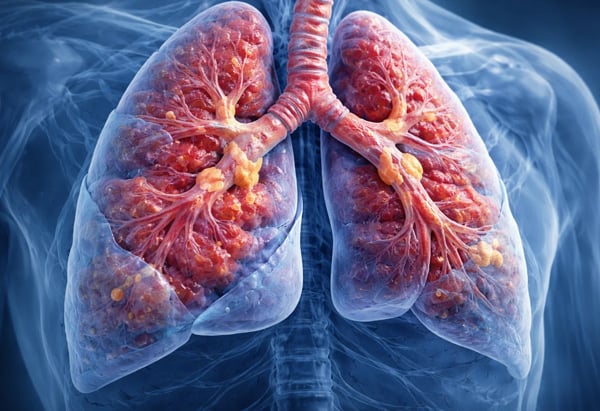
Understanding What Drives Chronic Obstructive Pulmonary Disease
Chronic Obstructive Pulmonary Disease (COPD) is a long-term lung condition that affects millions of people around the world. Although many people think of smoking as the leading cause, COPD can also develop from a mix of environmental and genetic factors. Understanding the differences between these causes is essential for prevention, early diagnosis, and improved disease management.
At LPT Medical, education is key to better respiratory health. When patients and caregivers understand why COPD develops, they can make informed choices to protect lung health and improve quality of life. This article examines the environmental and genetic causes of COPD, their interactions, and the importance of both.
What Is COPD? A Brief Overview
COPD is a group of long-term lung diseases that cause breathing problems that do not entirely go away. The two main types are:
- Chronic bronchitis, which involves long-term inflammation of the airways and excessive mucus production
- Emphysema damages the air sacs (alveoli) in the lungs, reducing oxygen exchange
Common symptoms include a persistent cough, shortness of breath, wheezing, chest tightness, fatigue, and recurrent lung infections. COPD usually gets worse over time, but finding it early and managing it well can slow it down and help people feel better day to day.
Environmental Causes of COPD
Environmental factors are the primary cause of COPD worldwide. These usually result from long-term exposure to lung irritants, which can inflame and damage the airways.
1. Tobacco Smoke
Cigarette smoking is still the top environmental cause of COPD, especially in wealthier countries. Breathing in tobacco smoke for many years harms lung tissue, causes inflammation, and makes it harder for the lungs to heal themselves. It’s important to note that:
- Not all smokers develop COPD
- COPD can still occur in non-smokers
- The risk increases with the duration and intensity of smoking
Secondhand smoke is also a serious risk, especially for people who are around it for many years at home or at work.
2. Occupational Exposure
Many people develop COPD due to repeated exposure to harmful substances in the workplace. These include:
- Dusts (coal, silica, grain, wood)
- Chemical fumes and vapors
- Industrial smoke and gases
Jobs in mining, construction, manufacturing, agriculture, and factories often have higher risk. Without good protective gear or ventilation, these jobs can expose workers to irritants that may lead to COPD over time.
3. Indoor Air Pollution
In many regions, indoor air pollution is a significant contributor to COPD. Using fuels such as wood, coal, dung, or crop residues for cooking and heating in homes without adequate ventilation emits harmful particles that people inhale every day.
Women and children living in these conditions are often affected the most, even if they have never smoked.
4. Outdoor Air Pollution
Long-term exposure to polluted outdoor air — including vehicle emissions, industrial pollutants, and fine particulate matter — can increase the risk of COPD. While short-term exposure may worsen symptoms, chronic exposure can contribute to disease development.
Living in cities, near highways, or close to factories can increase long-term risk.
5. Childhood Respiratory Factors
Early environmental influences can affect lung development and increase the risk of COPD later in life. These include:
- Severe childhood respiratory infections
- Exposure to secondhand smoke during infancy
- Poor nutrition
- Low birth weight
If the lungs do not fully develop, individuals may enter adulthood with reduced lung function, increasing their risk of developing COPD if later exposed to irritants.
.jpeg?width=1200&height=359&name=WhatsApp%20Image%202025-12-05%20at%2000.55.28%20(1).jpeg)
Genetic Causes of COPD
While environmental factors play a dominant role, genetics can also significantly influence who develops COPD and how severe it becomes.
1. Alpha-1 Antitrypsin Deficiency (AATD)
The best-known genetic cause of COPD is alpha-1 antitrypsin deficiency, a hereditary condition that affects the body’s ability to protect lung tissue from inflammation.
Alpha-1 antitrypsin is a protein produced by the liver that helps shield the lungs from damage caused by infection and irritants. When levels are too low or the protein doesn’t function properly, lung tissue becomes vulnerable to destruction.
Key facts about AATD:
- It can cause COPD at a much younger age
- Non-smokers with AATD can still develop emphysema
- Smoking dramatically accelerates lung damage in affected individuals
Because the symptoms are often the same as regular COPD, AATD is often missed. Only genetic testing can confirm it.
2. Genetic Susceptibility Beyond AATD
Even without a single identifiable genetic disorder, genetics still influences COPD risk. Researchers have identified multiple genes involved in:
- Lung development
- Inflammatory responses
- Immune system regulation
- Repair of lung tissue
These genetic differences may explain why some people who smoke all their lives never get COPD, while others get severe disease after only a little exposure.
In this way, genetics can make people more sensitive to environmental risks.
Environmental vs. Genetic: Which Matters More?
It is not just one or the other. COPD usually happens because of both environmental and genetic factors working together.
- Environmental exposures provide the trigger
- Genetics determines how the body responds
For example:
- A smoker with no genetic predisposition may never develop COPD
- A non-smoker with strong genetic susceptibility may develop COPD
- A person with both risk factors may experience earlier onset and more severe disease
This mix of causes explains why COPD symptoms, how fast it gets worse, and how people respond to treatment can be so different.
Why Understanding the Cause Matters
Knowing if environmental or genetic factors mainly cause COPD can make a real difference in how it is treated.
Earlier Diagnosis
Individuals with known genetic risk or exposure to high-risk environments can be monitored more closely for early symptoms.
Targeted Prevention
Reducing environmental risks, such as quitting smoking or improving air quality, can significantly slow disease progression, even when genetics is involved.
Personalized Treatment
Patients with genetic COPD (such as AATD) may benefit from specialized therapies not typically used for environmentally caused COPD.
Family Awareness
Genetic causes may affect multiple family members, making education and screening especially important.
Can COPD Be Prevented?
Not every case can be prevented, but many can.
Steps that reduce risk include:
- Avoiding tobacco smoke
- Using protective equipment in high-risk workplaces
- Improving indoor ventilation
- Reducing exposure to air pollution when possible
- Treating childhood respiratory illnesses promptly
- Getting tested for genetic conditions when appropriate
Even for people with COPD, avoiding lung irritants as much as possible remains one of the best ways to keep their lungs functioning well.
Living Well With COPD
No matter what causes it, COPD can be managed well with a good care plan that might include:
- Inhaled medications
- Pulmonary rehabilitation
- Oxygen therapy when needed
- Regular physical activity
- Nutritional support
- Education and self-management strategies
At LPT Medical, we support respiratory health through education, new solutions, and care that puts patients first. Our goal is to help people live more comfortably and confidently with chronic lung disease.
Final Thoughts
COPD does not have just one cause. Understanding the balance between environmental and genetic factors can help reduce stigma, improve diagnosis, and lead to better outcomes. Whether COPD comes from long-term exposure to irritants, inherited risk, or both, knowing the cause helps patients take charge of their health.
If you or someone you care about has COPD or is at risk, learning why the disease happens is an essential first step toward better breathing and a better quality of life.
LPT Medical is committed to helping patients breathe easier through education, awareness, and compassionate respiratory care.
Questions? Call us at 800-946-1201